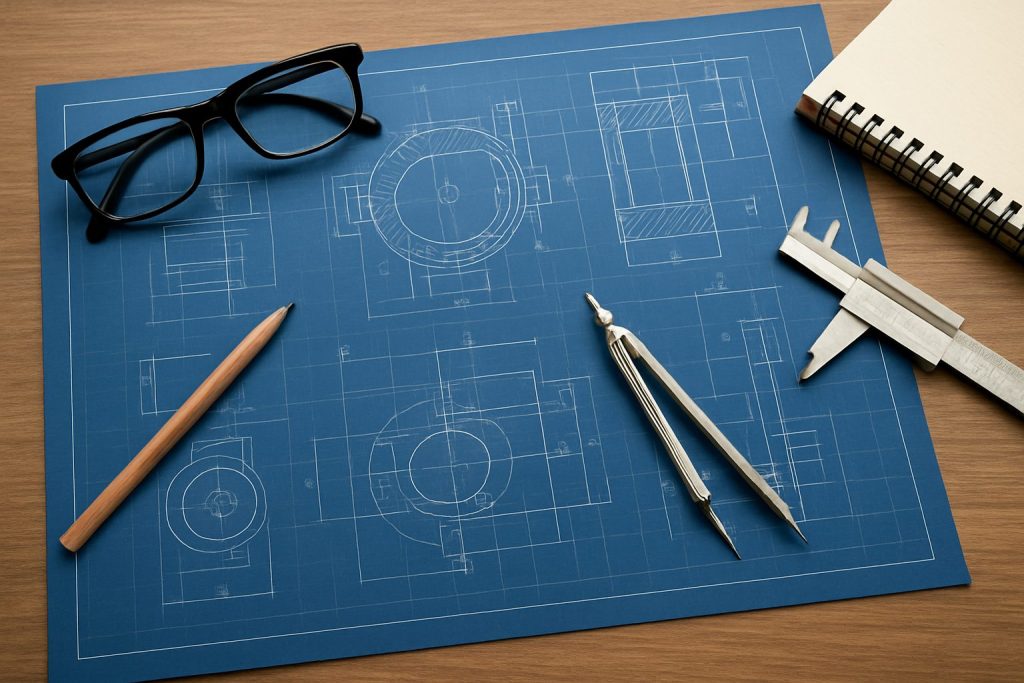
Why Audrey Saylor Sees Practical Design as a Key Element of Manufacturing Excellence
Audrey Saylor highlights the connection between design and manufacturing for achieving excellence.
Manufacturing excellence begins with the ability to turn strong ideas into products that perform consistently in real-world conditions. Audrey Saylor emphasizes the value of practical design because effective engineering must consider more than appearance or technical specifications. It should also account for materials, fabrication methods, production efficiency, durability, and the intended use of the finished product. When design decisions are grounded in practical manufacturing requirements, organizations can create solutions that are easier to produce, dependable in operation, and capable of delivering lasting value.
Contents
- The Connection Between Design and Manufacturing
- Why Simplicity Can Strengthen Product Development
- How Engineering Experience Supports Practical Design
- The Importance of Material Awareness
- How Practical Design Supports Quality
- The Role of Innovation in Practical Engineering
- Measuring Manufacturing Success
- Building Long-Term Manufacturing Value
- Conclusion
The Connection Between Design and Manufacturing
Design and manufacturing are closely connected throughout the product development process. A design may look effective on paper, but its true value becomes clearer when it is evaluated against actual production requirements.
Practical design considers how components will be fabricated, assembled, inspected, and maintained. This broader approach allows engineering teams to identify opportunities for improvement before production reaches later stages. It can also strengthen communication between designers and manufacturing professionals.
Why Simplicity Can Strengthen Product Development
Practical engineering does not necessarily mean creating the most complex solution. In many situations, a straightforward design can provide greater consistency and easier manufacturing while still meeting performance expectations.
Reducing unnecessary complexity can simplify fabrication, improve repeatability, and make production processes easier to understand. A thoughtful balance between functionality and simplicity can therefore contribute to more efficient manufacturing without compromising the purpose of the product.
How Engineering Experience Supports Practical Design
Experience in manufacturing provides useful insight into how design decisions affect production. Professionals who understand the shop floor can recognize the relationship between dimensions, materials, fabrication techniques, equipment capabilities, and final product performance.
The professional context connected with Audrey Saylor South Dakota reflects an engineering and manufacturing background that combines technical understanding with practical industry experience. This type of perspective can help design teams consider production realities from the beginning instead of addressing them only after a design has been finalized.
The Importance of Material Awareness
Material selection is another essential part of practical design. Engineers must consider how materials respond to fabrication processes and how their characteristics contribute to the finished product.
A well-selected material can support strength, durability, consistency, and efficient production. When material decisions are made alongside design considerations, engineers can develop products that better balance performance and manufacturability.
How Practical Design Supports Quality
Quality is strengthened when design specifications and production processes work together. Clear dimensions, appropriate tolerances, reliable joining methods, and well-defined finishing requirements can help manufacturing teams produce consistent results.
Practical design also creates opportunities for quality to be considered throughout development rather than only during final inspection. This approach supports a more structured path toward reliable production.
The Role of Innovation in Practical Engineering
Innovation and practicality can work together effectively. Manufacturing innovation does not always require completely new technology. Improving an existing design, simplifying a production step, or finding a more effective material application can create meaningful advantages.
This approach allows organizations to pursue improvement while maintaining a clear connection to actual manufacturing objectives. Practical innovation can support better efficiency, stronger products, and more adaptable production systems.
Measuring Manufacturing Success
Manufacturing excellence can be evaluated through measurable indicators such as consistency, production efficiency, product reliability, material utilization, and performance results. Practical design contributes to these outcomes by establishing a strong foundation before production begins.
When engineering teams review performance information and production observations, they can identify areas where designs or processes can be refined. This creates a continuous cycle of learning and improvement.
Building Long-Term Manufacturing Value
A practical design philosophy also considers what happens after a product leaves the production environment. Durability, maintenance requirements, scalability, and future production needs can all influence long-term value.
Designing with these factors in mind helps organizations create products that remain useful as operational conditions evolve. It also supports a more sustainable approach to engineering by encouraging thoughtful decisions at every stage.
Conclusion
Practical design provides an important foundation for manufacturing excellence because it connects engineering concepts with real production requirements. Audrey Saylor highlights a perspective in which effective design considers materials, fabrication, quality, performance, and long-term usability as part of one connected process. By combining technical knowledge with practical manufacturing awareness, organizations can develop products that are efficient to produce, dependable in use, and positioned for continued industrial success.