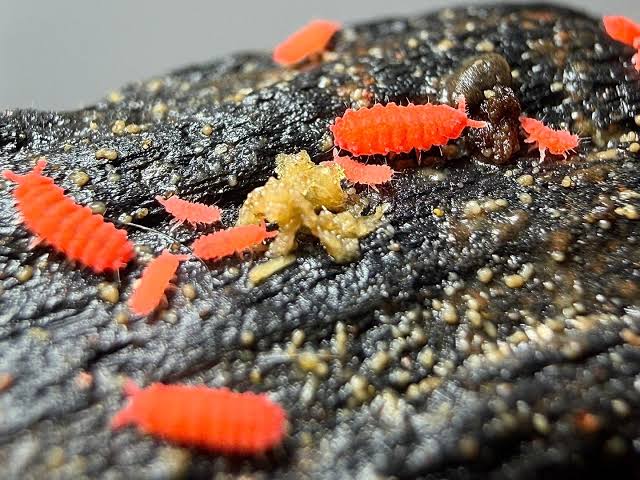
What Do Springtails Eat? PostPods Explains Their Natural Diet
Tiny soil creatures play an important role in keeping natural surroundings healthy. Springtails feed on organic matter that breaks down within damp environments. Before purchasing springtails uk, it helps to understand their feeding habits, moisture preferences, and compatibility with different miniature habitats. These small animals often gather where moisture supports the growth of microscopic organisms. Their eating patterns depend on available materials and the condition of their surroundings. Knowing what supports their daily needs makes enclosure care easier while helping maintain a stable environment for healthy development.
Natural Sources Of Daily Nutrition
Springtails mainly consume microscopic fungi and decaying plant matter. These materials provide nutrients while helping break down organic waste within their surroundings.
Fungi As A Primary Resource
Fungal growth forms an important part of their diet. They graze on tiny fungal threads and spores found across damp surfaces.
Decaying Plant Matter Supports Growth
Dead leaves and rotting plant pieces attract these creatures. Breaking down such material helps recycle nutrients within the soil.
Microorganisms Found Within Soil
Bacteria and other tiny organisms may supplement their nutrition. These microscopic resources occur naturally where organic matter decomposes.
Moisture Influences Feeding Activity
Damp conditions encourage fungal growth and keep feeding surfaces suitable. Dry surroundings can reduce access to important dietary resources.
Organic Waste Provides Useful Nutrients
Small pieces of decomposing material support feeding activity. A suitable balance of organic waste helps maintain a steady supply of natural resources.
Surface Growth Encourages Regular Feeding
Thin layers of microbial growth provide accessible nourishment. Springtails often gather around these areas when moisture levels remain suitable.
Suitable Materials For Captive Care
PostPods explains that captive colonies benefit from clean organic matter and controlled moisture. Avoid adding materials that may introduce harmful chemicals.
Understanding Everyday Dietary Needs
People asking what do springtails eat should know that fungi remain a major source of nourishment. Decomposing plant matter and microorganisms also contribute to their daily intake.
Maintaining A Balanced Feeding Area
A suitable feeding space should support natural microbial growth without becoming overly wet. Regular observation helps prevent excess waste from building up.
Successful springtail care depends on understanding natural feeding patterns and maintaining clean surroundings. Keepers should provide suitable organic matter while controlling moisture and removing excess waste. Regular checks can reveal whether conditions need adjustment. A balanced enclosure supports steady activity and reduces the risk of unwanted mould. By following these practical steps, caretakers can maintain a healthier habitat that meets the nutritional needs of these tiny organisms.