Is Medicare Plan G the Right Supplement Plan for Your Needs?
Choosing a Medicare supplement plan is one of the most consequential healthcare decisions a retiree can make. The right plan can provide years of financial stability and peace of mind, while the wrong choice may leave beneficiaries exposed to costs they did not anticipate. Among the available supplement options, one plan continues to stand out for its breadth of coverage and consistent popularity. When Original Medicare covers a service, it typically covers a defined portion of the approved cost. The remaining amount — deductibles, coinsurance, and copayments — falls to the beneficiary unless a supplemental plan is in place. Medicare Plan G addresses nearly all of these remaining costs, making it one of the most protective options within the Medigap category.
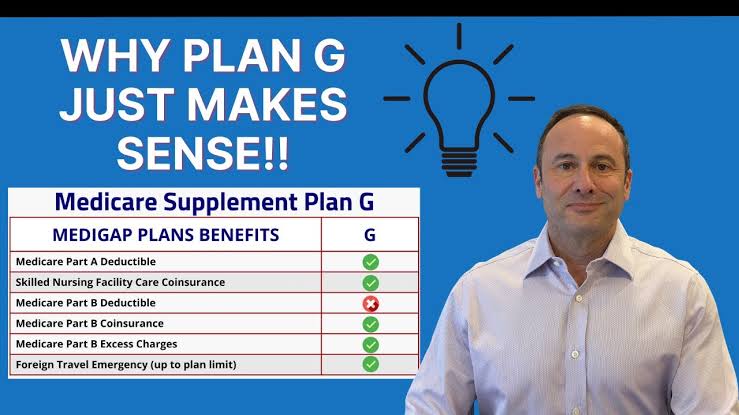
The plan’s covered benefits include Part A hospital coinsurance and hospital costs beyond what Medicare covers, Part A hospice care coinsurance, Part A deductible, Part B coinsurance and copayments, Part B excess charges, skilled nursing facility care coinsurance, and foreign travel emergency coverage. The one item not covered is the Part B annual deductible, which beneficiaries pay out of pocket once per year.
After that deductible is satisfied, Plan G generally steps in to cover Medicare-approved costs without additional cost-sharing from the enrollee. This creates a clean, predictable experience where most covered services involve minimal financial exposure throughout the year.
Provider access is a major reason individuals choose Plan G over managed care alternatives. The plan does not restrict enrollees to a network. As long as a provider accepts Medicare, a Plan G beneficiary can receive care from them — whether that provider is across town or across the country. This freedom is especially meaningful for those who have established relationships with specific physicians or specialists they trust.
Plan G also becomes relevant for individuals concerned about excess charges. Some providers who do not accept Medicare assignment may charge more than the Medicare-approved rate. Without excess charge coverage, the difference between what Medicare pays and what the provider charges becomes the patient’s responsibility. Plan G covers this gap, offering protection in situations where billing practices could otherwise create unexpected costs.
Healthcare needs vary widely from one person to the next, and Plan G is not a universal solution. For individuals in excellent health who rarely need medical attention, a plan with lower premiums and higher cost-sharing at the point of service might make more financial sense. However, for those with chronic health conditions, planned surgical procedures, or a history of frequent medical utilization, Plan G’s comprehensive structure often provides strong overall value.
The decision also involves thinking about long-term healthcare trends. Health needs typically increase with age, and a supplement plan chosen today should ideally remain relevant and affordable as those needs evolve. Plan G’s broad coverage means that as healthcare usage increases, the plan continues to perform well — limiting out-of-pocket exposure during periods of higher medical demand.
Standardization is an important feature of Medigap plans, including Plan G. Federal regulations define the core benefits that Plan G must include, regardless of which carrier sells the policy. This consistency across carriers means that two Plan G policies from different insurers offer the same fundamental coverage. Premium pricing, however, can vary meaningfully between insurers, making comparison shopping a worthwhile exercise before enrollment.
The Medigap Open Enrollment Period is the optimal time to apply for Plan G. During this window, which spans the first six months of Medicare Part B enrollment after turning 65, insurers must offer coverage without requiring health screening. Missing this period does not eliminate eligibility, but it may result in underwriting requirements depending on the state.
For retirees seeking a supplement plan that minimizes financial uncertainty and supports broad provider access, Plan G offers a well-established, reliable foundation for long-term healthcare management.