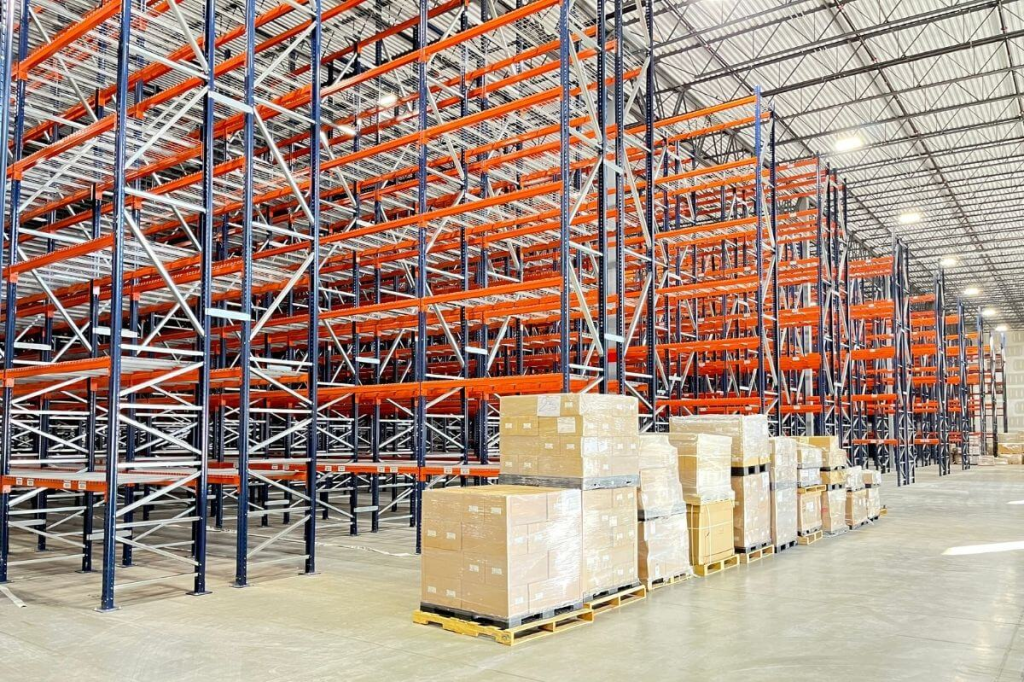
3PL Services for Ecommerce Brands
Are you trying to determine which 3PL Services provider can support your ecommerce operation efficiently, control fulfillment costs, and maintain…
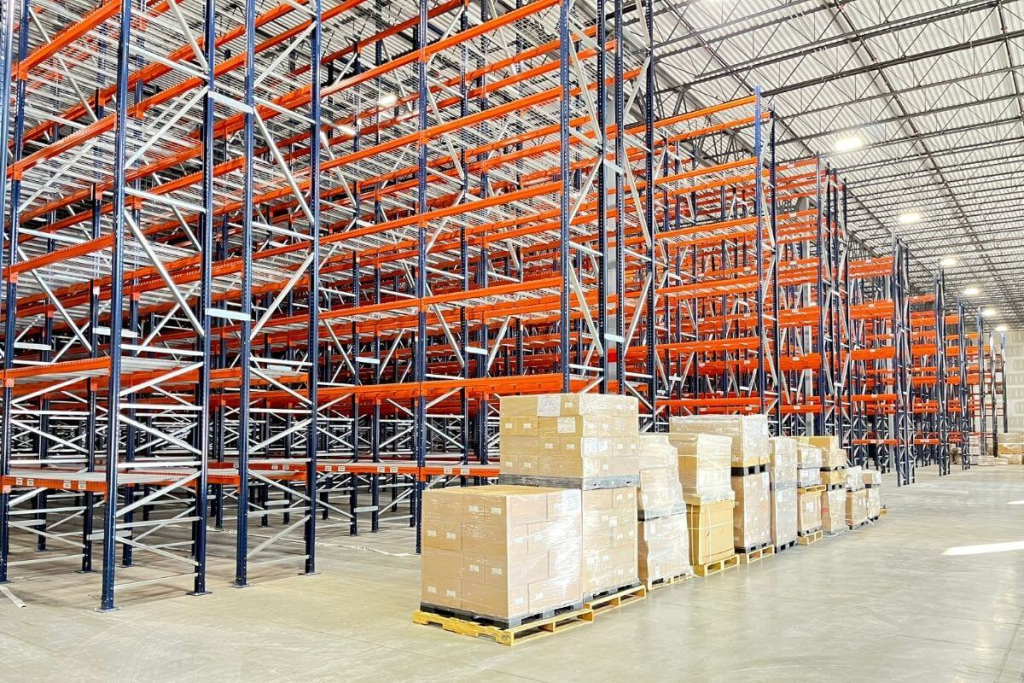
Are you trying to determine which 3PL Services provider can support your ecommerce operation efficiently, control fulfillment costs, and maintain consistent order accuracy as your business grows? Selecting the right third-party logistics partner is one of the most important decisions for ecommerce brands looking to improve shipping performance, inventory management, and customer satisfaction. This guide explains what to evaluate before outsourcing fulfillment, how to identify operational weaknesses early, and what separates reliable 3PL providers from those that struggle under growing direct-to-consumer demand.
What a 3PL Should Actually Handle
A third-party logistics provider should manage the entire operational lifecycle of ecommerce fulfillment. This includes receiving inventory, verifying stock quantities, storing products efficiently, processing ecommerce orders, picking and packing shipments accurately, coordinating carrier pickups, managing returns, and maintaining real-time inventory visibility.
The strongest fulfillment operations are not defined solely by their ability to ship orders. They are measured by how effectively they maintain control when operational issues occur. Inventory shortages, picking errors, damaged returns, and carrier delays are common challenges in warehousing. The key difference lies in how quickly these issues are identified, investigated, and resolved.
Businesses should be able to verify how inventory discrepancies are identified before products become available for sale, how missing inventory can be traced, whether order statuses accurately reflect physical warehouse activity, and how returned products are inspected before being restocked.
If warehouse issues cannot be traced to a specific operational action within a short period of time, fulfillment visibility and process control may not be sufficient to support long-term ecommerce growth.
How 3PL Operations Work Day to Day
Successful fulfillment operations follow a structured workflow designed to maintain inventory accuracy and shipping consistency.
Inventory arrives according to predefined shipment plans that establish SKU-level expectations. Warehouse teams verify quantities, identify discrepancies, and assign inventory to storage locations optimized for accessibility and replenishment efficiency.
Orders are imported from ecommerce platforms and prepared for release before daily processing cutoffs. Picking and packing activities are completed using verification procedures that reduce fulfillment errors and improve order accuracy. Once shipments are prepared, they are transferred to carriers, and tracking information is updated after physical handoff occurs.
Returns processing typically includes inspection, product grading, restocking decisions, and inventory reconciliation. Each stage directly influences inventory visibility, customer satisfaction, and overall fulfillment performance.
Even small operational delays can create significant downstream effects. Receiving delays can lead to inventory shortages, while missed shipping cutoffs can generate fulfillment backlogs, customer inquiries, refund requests, and negative customer experiences.
When a 3PL Improves Margin and Speed
A 3PL becomes valuable when fulfillment operations begin consuming resources that should be focused on growth, marketing, customer acquisition, and product development.
Many ecommerce businesses reach this point when order volume increases consistently and warehouse responsibilities begin demanding substantial internal labor. As operational complexity grows, fulfillment inefficiencies often create hidden expenses that impact profitability.
Common indicators include excessive daily packing time, recurring order backlogs during peak periods, frequent inventory discrepancies, and increasing customer support requests related to shipping performance.
At this stage, internal fulfillment often generates costs that extend beyond labor, including delayed deliveries, customer dissatisfaction, staff fatigue, and lost productivity.
Outsourcing is most effective when fulfillment processes are already structured and repeatable. Businesses with inconsistent operational workflows may find that outsourcing transfers existing problems into a more complex environment rather than solving them.
What 3PL Pricing Usually Includes
Third-party logistics pricing generally consists of receiving, storage, order fulfillment, packaging materials, shipping, kitting services, returns processing, and exception management.
Receiving fees cover unloading inventory, verifying quantities, and entering products into warehouse management systems. Storage charges are based on the physical space inventory occupies, while fulfillment fees cover the labor required to pick, pack, and prepare orders for shipment.
Packaging costs include boxes, protective materials, and specialized packaging requirements. Shipping expenses are influenced by carrier rates, delivery zones, residential surcharges, and dimensional weight calculations.
Returns processing fees typically cover inspections, restocking decisions, and inventory updates. Exception handling costs may apply when warehouses perform non-standard activities such as recounts, relabeling, or urgent requests.
The largest pricing discrepancies often result from incorrect operational assumptions. Businesses should evaluate fulfillment costs based on actual order composition, SKU count, inventory footprint, return rates, and any special handling requirements.
Where Shopify Brands Need More Warehouse Control
Shopify provides the ecommerce storefront infrastructure, but fulfillment performance depends entirely on warehouse execution.
Accurate order imports, inventory synchronization, bundle management, returns processing, and tracking updates are critical to maintaining a positive customer experience.
Promotional campaigns can generate large spikes in order volume within a short period of time. Fulfillment providers must be capable of handling these increases without compromising inventory accuracy or shipping speed.
Many customer service issues occur when tracking information is updated before shipments have physically entered carrier networks. This creates confusion, increases support requests, and can negatively impact customer trust.
Brands using Shopify should verify inventory update timing, bundle mapping procedures, order processing workflows, and shipment tracking accuracy before selecting a fulfillment partner.
Questions to Ask Before You Switch Providers
Evaluating a fulfillment provider requires more than reviewing marketing materials and pricing sheets.
Discovery conversations should focus on warehouse capacity, inventory discrepancy management, onboarding requirements, and operational processes that generate additional costs. These discussions help reveal how the warehouse performs under normal and peak operating conditions.
Product demonstrations should provide visibility into inventory management systems, discrepancy resolution procedures, order verification workflows, carrier handoff processes, and returns management operations.
Pricing discussions should clarify the difference between fixed and variable costs, explain storage calculations, identify potential invoice fluctuations, and provide insight into how fulfillment expenses change as order volume grows.
Clear, detailed answers often indicate operational maturity, while vague responses may signal process weaknesses that become problematic after onboarding.
Comparing Leading 3PL Providers for DTC Brands
When evaluating third-party logistics providers, ecommerce businesses should focus on fulfillment execution, inventory accuracy, shipping consistency, technology integration, operational visibility, and customer support.
Some providers emphasize broad distribution networks and nationwide warehouse coverage, while others focus on operational control, direct communication, and specialized ecommerce workflows.
The most important differences often emerge during periods of increased order volume, inventory transitions, promotional campaigns, and unexpected operational disruptions.
Rather than focusing solely on warehouse count or marketing claims, businesses should evaluate how providers maintain inventory accuracy, resolve fulfillment issues, manage shipping deadlines, and support long-term ecommerce growth.
Common Issues Between National and Boutique Warehouses
Large fulfillment networks often provide broader geographic coverage and routing flexibility, which can help reduce shipping costs and transit times.
Smaller warehouse operators may offer stronger communication, faster issue resolution, and greater operational visibility. However, they may have limitations when handling rapid volume growth or complex distribution requirements.
Warehouse size alone does not guarantee fulfillment quality. Most ecommerce fulfillment challenges originate from inventory management, order verification, receiving accuracy, and operational consistency rather than geographic reach.
The ideal fulfillment strategy depends on whether a business prioritizes nationwide distribution efficiency or greater control over warehouse execution and customer experience.
Why Ecommerce Brands Prioritize Operationally Focused 3PL Services
Many ecommerce businesses choose fulfillment partners that prioritize process control, inventory visibility, and consistent order execution rather than simply offering the largest warehouse network.
Reliable receiving procedures, accurate inventory tracking, structured pick and pack workflows, and efficient carrier coordination contribute directly to improved customer satisfaction and operational stability.
Businesses selling across multiple regions also benefit from centralized fulfillment management that simplifies inventory planning, reporting, replenishment, and shipping coordination.
Many fulfillment providers rely on generalized warehouse processes that struggle to support growing direct-to-consumer operations. Common challenges include receiving delays, inventory inaccuracies, limited visibility into warehouse activity, and inconsistent issue resolution.
For ecommerce brands evaluating 3PL Services, the strongest solution is typically the one that delivers dependable warehouse execution, accurate inventory management, scalable fulfillment operations, transparent reporting, and consistent performance that supports long-term business growth.