Live Rosin Is Expensive: Why Brands Use It
Ice water, fresh frozen plants, mechanical pressure, and nothing else. That is the entire live rosin recipe, and that simplicity is exactly what makes it…
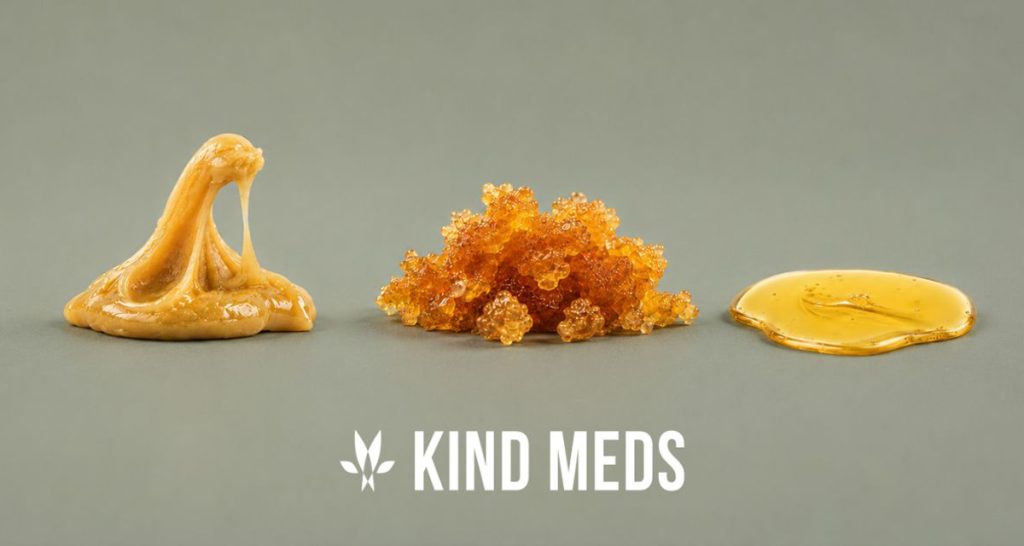
Ice water, fresh frozen plants, mechanical pressure, and nothing else. That is the entire live rosin recipe, and that simplicity is exactly what makes it costly. No solvents means no shortcuts, no industrial scale, no cutting corners anywhere along the line. Products built around it, BudPop’s live rosin gummies among current market examples, carry input costs several times above distillate equivalents, and brands keep choosing it anyway, year after year. Something has to justify that math, and several things actually do.
Flavor chemistry survives
Freezing plants immediately after harvest locks terpenes in place before drying destroys them. Conventional extraction starts from cured material where volatile compounds have already evaporated, weeks of aromatic content gone before processing even begins. Live rosin keeps that content intact, and shoppers taste the difference in a way marketing copy never needs to exaggerate. Entourage arguments follow naturally, minor cannabinoids and terpenes arriving together as grown rather than reassembled from isolated parts in a lab. Whether every claimed synergy holds up scientifically matters less commercially than one plain fact, experienced buyers describe fuller effects and reorder accordingly. Taste memory is sticky, too. Once a palate learns the difference, distillate products start reading flat and one-dimensional, and that comparison happens silently inside thousands of repeat purchase decisions nobody surveys.
Premium narrative works
Craft stories sell when they happen to be true. Solventless production gives brands a story requiring zero embellishment, small batches, hand washing, visible artisan labour, and a camera that can actually film. Compare that against distillate, an industrial commodity nearly identical from every supplier in the country. Rosin gummies escape commodity pricing entirely because comparison shopping breaks down; no two brands’ inputs match closely enough to compare. Menus use these products as anchors, the expensive option making mid-tier items look reasonable while attracting connoisseur customers who then explore everything else in the catalogue and often stay.
Costs run deep
• Fresh frozen biomass commands grower premiums since farms must coordinate harvest and freezing within hours.
• Yield losses hit hard, mechanical separation recovers far less material than chemical extraction pulls from identical plant weight.
• Skilled wash technicians take months of training and leave carrying irreplaceable batch judgment when turnover strikes.
• Equipment scales linearly; doubling output means roughly doubling presses, freeze dryers, and floor space.
Each line item lands before one gummy exists, which explains why casual entrants test this lane, run the numbers twice, and quietly retreat toward distillate within a year of launch.
Customer loyalty deepens
Here is what the spreadsheet misses entirely. Rosin buyers behave differently from every other segment. Repeat rates run higher, price sensitivity runs lower, and word of mouth arrives free, month after month. A shopper who learned to taste the difference cannot easily go back, so switching costs form naturally without any loyalty program forcing them into place. Reviews mention flavour unprompted, doing marketing work brands would otherwise fund out of paid budgets. Over a full customer lifetime, premium inputs frequently return more profit than cheap ones, a calculation appearing only once someone bothers measuring beyond first purchase margin, which surprisingly few operators ever do.
So the expense question inverts completely. Brands are not paying extra for rosin despite thin logic, but buying customer relationships distillate simply cannot be created at any price. Whoever measures lifetime value instead of unit cost keeps choosing solventless, and the gap between those two measurement habits quietly sorts serious edible operators from everyone else, still optimising the wrong number.